Halloween Spider Web: A Seasonal Embroidery Review
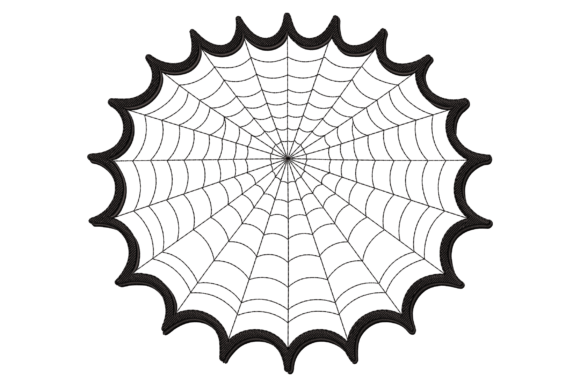
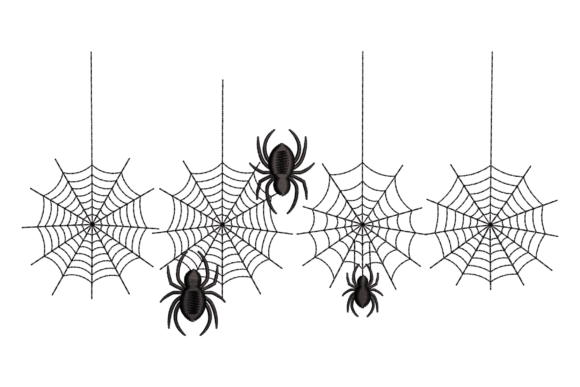
As I curate my seasonal collection for the upcoming holiday rush, finding the right balance between spooky and sellable is always the primary challenge. When evaluating the Halloween Spider Web design for this year’s lineup, my immediate focus is on its versatility as both a standalone motif and a complementary border element. This machine embroidery design captures a specific nostalgic mood that resonates deeply with buyers looking for authentic seasonal decor rather than generic clip art. The description highlights four intricate webs of varying sizes with realistic dangling spiders, which suggests a level of detail that can elevate a simple project into a premium handmade gift. From a designer's perspective, this aesthetic strikes a delicate balance; it is festive and atmospheric without being overly gruesome, making it appropriate for family-friendly apparel and home goods.
Evaluating Seasonal Mood and Design Versatility
The first impression of the Halloween Spider Web is one of classic autumn elegance. Unlike cartoonish alternatives, the realistic nature of the dangling spiders implies a sophisticated stitch structure that will appeal to customers seeking refined seasonal embroidery. This emotional tone is crucial for sales because it allows the design to transition seamlessly across different product categories. For an Etsy seller or small shop owner, this versatility is gold. I can visualize this design anchoring a vintage-style sweatshirt embroidery project where the webs cascade from the shoulder seam, or serving as an elegant hem border on a kitchen towel embroidery set. The varying sizes mentioned in the product details are particularly valuable, as they allow us to scale the visual weight depending on whether we are stitching a large tote bag design or a delicate ornament.
When planning a cohesive holiday collection, this design supports multiple narratives. It works beautifully for rustic farmhouse aesthetics when stitched in matte blacks and creams, but it also adapts to modern gothic styles if paired with metallic silver threads on dark velvet. This adaptability increases the potential return on investment for the digital embroidery file, as one purchase can yield several distinct product lines. Whether creating matching family pajamas or unique pillow cover accents, the design provides enough visual interest to stand alone while remaining subtle enough to pair with personalized text or monograms.
Commercial Applications for Holiday Selling Seasons
In real-world selling situations, the Halloween Spider Web performs exceptionally well because it solves a common merchandising problem: filling negative space creatively. For craft fair displays, items featuring this border design draw the eye along the edge of the fabric, encouraging customers to pick up and inspect the texture. This tactile engagement is vital for converting browsers into buyers. When listing products online, this design enhances the perceived value of personalized gift items. A plain tote bag becomes a limited-edition seasonal accessory simply by adding these intricate webs to the corners. For social media previews and printable mockup creation, the high contrast of spider webs against solid fabrics creates visually striking thumbnails that stop the scroll during busy holiday shopping periods.
Furthermore, this design is ideal for bundle strategies. As an experienced embroiderer, I often look for designs that can be mixed and matched. The four distinct web variations allow for "build-your-own" sets, such as a three-piece kitchen linen set where each towel features a different web configuration. This encourages higher cart values. For commercial embroidery businesses fulfilling custom orders, having a reliable, detailed spider web design reduces the time spent searching for appropriate seasonal fillers. It serves as a trustworthy staple that signals quality and attention to detail, reinforcing brand consistency and customer trust during the high-pressure Halloween season.
Technical Considerations and Fabric Limitations
Despite its appeal, the Halloween Spider Web requires careful technical execution to ensure the finished product meets professional standards. The mention of "intricate" webs and "realistic" spiders serves as a warning regarding stitch density. Intricate details often mean higher stitch counts and tighter spacing, which can cause puckering on lightweight fabrics or distortion on stretchy garments. Before committing this design to a production run of sweatshirts or baby items, it is imperative to test the embroidery file on the exact fabric intended for sale. Stretchy knits, in particular, may require a heavier stabilizer or a cut-away backing to maintain the integrity of those delicate web strands after washing.
Sellers must also be mindful of placement on textured surfaces. While the design would look stunning on a plush pillow cover, thick towels or nubby linens might swallow the finer details of the dangling spiders. In these cases, using a water-soluble topping is non-negotiable to keep the stitches crisp and visible. Additionally, consider the hoop size limitations. If the design includes a continuous border, re-hooping accurately can be challenging for beginners. I recommend checking the specific dimensions of the embroidery file before purchasing to ensure it fits your machine’s capabilities without excessive resizing, which can compromise stitch quality. Dark fabrics present another variable; while spooky, they require testing thread colors to ensure the web definition isn't lost in the background shadow.
Designer Notes for Professional Results
To maximize the success of the Halloween Spider Web in your shop, treat the preparation phase as seriously as the stitching itself. Always verify commercial licensing terms before selling any small shop product featuring this design to avoid legal issues. Create realistic mockups that show the design in context; customers need to see how the varying web sizes interact with garment seams or towel hems. Plan your color palettes in advance, testing both traditional orange/black combinations and unexpected pairings like purple/gold or white/slate to capture different market segments. Finally, review small details after every test stitch-out. Realistic spider legs can sometimes become thread nests if the tension is off or the needle is dull. By addressing these technical nuances upfront, you ensure that your holiday embroidery offerings are not only festive but also durable and professionally finished, securing positive reviews and repeat business long after the decorations come down.