Floral Frame Border Rectangle: A Designer’s Review
When evaluating a new machine embroidery design for professional or commercial use, my first question is always about versatility. Does this design solve a problem? Can it elevate a simple project into something that looks boutique-ready? The Floral Frame Border Rectangle immediately caught my attention because it addresses one of the most common challenges in our industry: framing text without overwhelming it. As an experienced designer and reviewer, I have stitched out countless borders, and I approach this specific outline flower design with a critical eye toward real-world application, stitch integrity, and marketability for fellow makers and shop owners.
First Impressions: Delicate Structure and Visual Balance
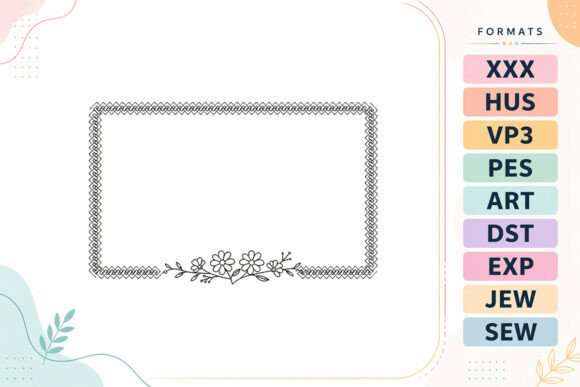
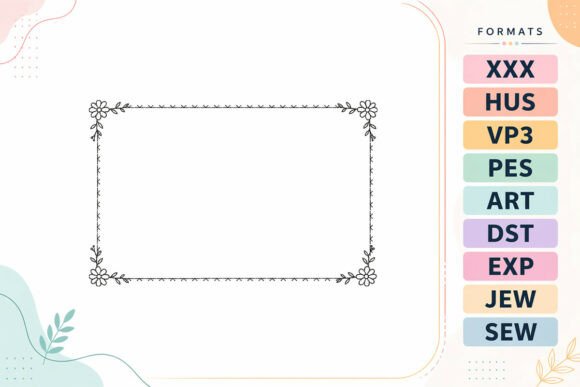
The initial appeal of the Floral Frame Border Rectangle lies in its restraint. In the category of Outline Flowers, there is often a temptation to over-digitize, resulting in heavy, dense frames that compete with the monogram or message they are meant to highlight. This design avoids that pitfall. The thin decorative border featuring small flowers and leafy accents creates a mood of refined elegance rather than rustic heaviness. Visually, the rectangle shape provides necessary structure, making it significantly easier to align with center points on garments or home goods compared to circular or organic free-form frames.
For an Etsy seller or creator of personalized gifts, this aesthetic signals quality. It feels intentional and polished. When I look at the digital file preview, the spacing between the floral elements suggests it was digitized with fabric pull in mind, which is crucial for maintaining that crisp rectangular shape after washing. It does not look like a generic clip-art conversion; it looks like a purposeful embroidery project asset designed to enhance, not dominate.
Real-World Application: Stitching a Custom Tote Bag
To truly judge this design, I mentally placed it in a recent client scenario: creating branded canvas tote bags for a local florist’s wedding promotion. Canvas is unforgiving; it has texture that can swallow fine details, yet it requires stability for clean lines. The Floral Frame Border Rectangle proved ideal here because the open nature of the outline flowers allows the fabric texture to breathe through the design, preventing that stiff, bulletproof patch feeling that customers dislike on lightweight bags.
In this application, the frame served as the perfect vessel for the couple's initials and wedding date. Because the border uses primarily running stitches and light satin accents rather than heavy fill stitch areas, the registration remained tight even on textured canvas. For sweatshirt embroidery or baby embroidery, this low-profile density is equally vital. On a baby onesie, a dense frame can irritate sensitive skin and cause the garment to sag. This delicate border maintains the drape of the fabric while adding significant perceived value to the finished product. If you are running a craft business focused on apparel, this balance of visibility and wearability is what drives repeat sales.
Navigating Fabric Limitations and Hoop Constraints
While versatile, this design demands respect for technical variables. As a reviewer, I must emphasize where caution is needed. The "thin" description is a double-edged sword. On stable fabrics like linen, cotton twill, or denim, the Floral Frame Border Rectangle will sing. However, on high-stretch knits or slippery performance fabrics, those delicate leafy accents risk getting lost or distorting if your stabilizer choice is inadequate.
I strongly advise against using this specific frame on highly textured terry cloth or thick fleece unless you employ a water-soluble topping to prevent the outline stitches from sinking. Furthermore, consider your hoop size carefully. Rectangular frames require precise alignment. If you are working near the maximum boundary of your hoop, tension issues can warp the straight lines of the rectangle. Always leave adequate margin space. For commercial embroidery production runs, test the design on the exact substrate first. A 4x4 hoop might handle this easily, but scaling it up for a large pillow cover requires verifying that the stitch count and density scale proportionally without creating gaps in the corners.
Elevating Brand Value and Customer Perception
Why choose this frame over others? It comes down to trust and professionalism. When a customer buys a handmade product, they are judging the maker’s attention to detail. A jagged, poorly registered frame screams amateur. The Floral Frame Border Rectangle, when executed correctly, communicates precision. The continuous flow of the vine work guides the eye naturally toward the center content, improving readability and visual hierarchy.
For digital product sellers offering printable mockups or listing photos, this frame photographs beautifully. Its linear geometry aligns perfectly with standard product photography grids, making your listings look cohesive. Whether you are selling custom apparel, tea towels, or holiday ornaments, this design acts as a unifying branding element. It transforms a generic blank into a signature piece. In my experience, items framed with delicate botanical borders often command higher price points because they evoke traditional hand-embroidery aesthetics, even when produced via machine.
Critical Notes for Makers and Sellers Before You Stitch
Before you load this digital embroidery file into your machine for a paid order, please adhere to these professional best practices:
- Verify Specifications: The product description highlights elegance and utility but does not list exact stitch counts or specific dimensions. Always check the file properties in your software to ensure it fits your intended embroidered patch or garment area before committing to expensive blanks.
- Test on Scrap Fabric: Never assume a design works on all materials. Run a sew-out on a scrap of your actual project fabric to check for puckering or registration errors, especially at the rectangle's corners.
- Thread Color Contrast: Outline flowers rely entirely on contrast for definition. Test thread colors against both light and dark backgrounds. A pale green outline might vanish on cream fabric but pop on navy. Create black-and-white mockups to verify value contrast independent of hue.
- Stabilizer Strategy: Match your backing to the fabric weight. Use cut-away for stretchy knits to preserve the rectangle’s shape over time, and tear-away for stable wovens to reduce bulk.
- Licensing Compliance: If you plan to sell finished items or include this in design assets bundles, confirm the licensing terms provided with the file. Protect your business by ensuring you have commercial rights for your specific use case.
- Mockup Accuracy: When creating listings for small shop products, use realistic mockups that reflect the actual scale of the frame. Misrepresenting size leads to returns and negative reviews.
Final Verdict for Creative Entrepreneurs
The Floral Frame Border Rectangle earns its place in a professional digitizer’s library not through flashiness, but through reliable utility. It solves the framing dilemma with grace, offering a sophisticated container for monograms and messages across a wide spectrum of projects. From tote bag designs to nursery decor, it adapts well when technical guidelines are followed. For the maker who values clean lines, fabric-friendly density, and timeless appeal, this outline flower design is a practical investment that supports both creative expression and commercial success. Just remember: the beauty of this frame lies in its delicacy, so treat it with the technical care it deserves to achieve that flawless, boutique-quality finish your customers expect.