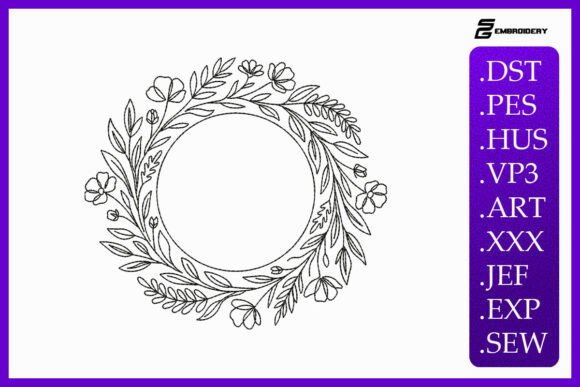
Minimalist Floral Wreath: A Designer’s Review
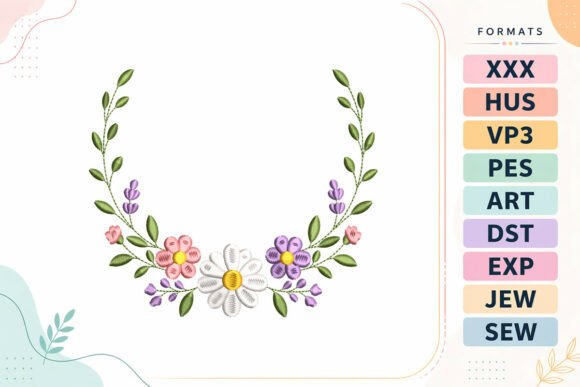
As an experienced embroidery designer preparing for a weekend craft fair, I evaluate every digital asset through a specific lens: will this sell when a customer walks past my booth? When reviewing the Minimalist Floral Wreath, my immediate assessment is that this design strikes a crucial balance between elegance and approachability. It does not scream for attention with neon colors or excessive density; instead, it invites the viewer in with delicate lines and organic movement. For handmade shop owners and Etsy sellers, this aesthetic is currently dominating the market because it feels premium yet understated.
The first impression of this machine embroidery design is distinctly modern farmhouse with a touch of botanical illustration. It avoids the heavy, saturated look of traditional floral patterns, making it versatile enough for wedding decor, kitchen textiles, and personal accessories. As a craft fair product, this versatility is your greatest asset. You are not limited to selling just one type of item; you can create a cohesive brand story across multiple products using this single embroidery file.
Best Performing Products for Market Sales
When setting up a table display, visual hierarchy matters. The Minimalist Floral Wreath performs exceptionally well as a focal point on items where negative space allows the outline flowers to breathe. Based on current market trends and production practicality, here is how I would prioritize this design for commercial embroidery and small shop products:
- Tote Bags and Market Bags: This is arguably the strongest application. The circular nature of the wreath mimics the shape of a bag bottom or centers perfectly on a canvas tote. Because tote bags are high-traffic items at craft fairs, having a clean, recognizable design like this increases perceived value without requiring complex color changes.
- Tea Towels and Kitchen Textiles: Outline flowers are ideal for tea towel embroidery because they remain soft to the touch. Heavy fill stitches can make towels stiff and unappealing to use. This minimalist approach maintains the fabric's drape and absorbency, which is a key selling point for customers who actually intend to use the handmade product rather than just display it.
- Apron Embroidery: Placing the wreath over the heart or centered on the bib creates an instant boutique look. For creative entrepreneurs, offering personalization inside the wreath transforms a standard apron into a custom gift. The open center is specifically designed for monograms, making batch production efficient while allowing for last-minute customization at the fair.
- Pillow Covers and Home Decor: For higher price-point items, this design adds texture without overwhelming a room's existing color palette. It photographs beautifully for printable mockups and online listings because the line work translates clearly even in smaller thumbnail images.
Production Practicality and Booth Appeal
From a production standpoint, the Minimalist Floral Wreath is a dream for batch manufacturing. Unlike dense satin stitch designs that eat through thread and time, outline-based designs generally have lower stitch counts. This means faster turnaround times and less wear on your machine during those frantic pre-fair production marathons. However, speed should never compromise quality.
Visually, this design excels at "glanceability." At a busy market, customers decide within seconds whether to stop. The clean lines of the wildflowers and leafy branches read instantly from five feet away. There is no visual clutter. Furthermore, because the design relies on line work rather than large blocks of color, it is easier to photograph for Etsy listings. Natural light highlights the texture of the stitches against the fabric, creating an authentic, handmade feel that resonates with buyers looking for genuine craftsmanship.
For digital sellers and boutique makers, this design also serves as excellent anchor content. It pairs seamlessly with other botanical assets, allowing you to build collections. Whether used as a standalone embroidered patch or integrated into a larger quilt block, its scalability makes it a reliable workhorse in your design library.
Critical Use Notes and Technical Considerations
While the Minimalist Floral Wreath is versatile, it is not without technical challenges. As a professional, I must caution against assuming that "minimalist" equals "easy." Outline flowers require precision. Here are the specific constraints you must manage to ensure a sellable finished product:
- Fabric Texture Compatibility: Line work can get lost on highly textured fabrics like terry cloth or slub linen. If stitching on tea towels, always use a water-soluble topping to keep the stitches crisp and visible. On smooth cottons or canvas, the design will pop naturally.
- Stitch Density and Registration: Delicate leafy branches mean there is nowhere to hide poor registration. If your hoop tension is off, gaps will appear between connecting stems. Always test the embroidery file on scrap fabric identical to your final product before running a full batch.
- Sizing Limitations: Be wary of reducing this design too small. Intricate wildflower details can turn into a muddy mess if scaled down beyond the designer’s recommended minimum size. Check the original specifications for the smallest viable dimensions to maintain clarity.
- Thread Contrast: This design relies entirely on contrast. White thread on cream fabric may look elegant in person but invisible in photos. For craft fair sales, opt for medium-to-dark thread tones on light fabrics, or metallic threads for a premium evening-wear or wedding accessory vibe.
- Curved Surfaces: If applying this to caps or curved pouches, be aware that circular designs can distort. You may need to slightly ovalize the digitizing or adjust your hooping technique to compensate for the curvature of the base material.
Designer Checklist for Commercial Success
Before listing this as a craft fair product or adding it to your commercial embroidery lineup, run through this essential verification process. Skipping these steps is the difference between a hobbyist result and a professional retail product.
- Verify Licensing: Confirm that your purchase includes commercial rights for finished products. Never assume a digital embroidery file is cleared for resale without checking the license terms explicitly.
- Create Physical Mockups: Do not rely solely on software renderings. Stitch out at least one real sample on your intended selling substrate. Colors shift between screen and thread; only a physical test confirms the aesthetic.
- Test Stabilizer Combinations: Minimalist designs can pucker easily because there is less internal support from the stitches themselves. Experiment with cut-away versus tear-away stabilizers to find the combination that keeps the circle perfectly round after washing.
- Evaluate Thread Colors: Plan your palette strategically. Neutral tones (sage, terracotta, charcoal) often outsell bright primaries in the minimalist category. Ensure your thread choices align with current home decor and fashion trends.
- Confirm Hoop Size Requirements: Ensure you have the correct hoop size available. Re-hooping for a single design introduces alignment risks. Knowing your maximum field size prevents mid-production surprises.
The Minimalist Floral Wreath is more than just a pretty picture; it is a strategic business tool for the serious maker. Its blend of elegance, production efficiency, and broad market appeal makes it a staple for any embroidery business targeting the modern handmade consumer. By respecting the technical nuances of outline flowers and presenting the finished product with intention, you transform a simple digital file into a best-selling tangible good. Remember, in the world of craft fairs and Etsy shops, customers are buying your expertise as much as they are buying the design. Execute this pattern with precision, and it will undoubtedly earn its place as a top performer in your collection.