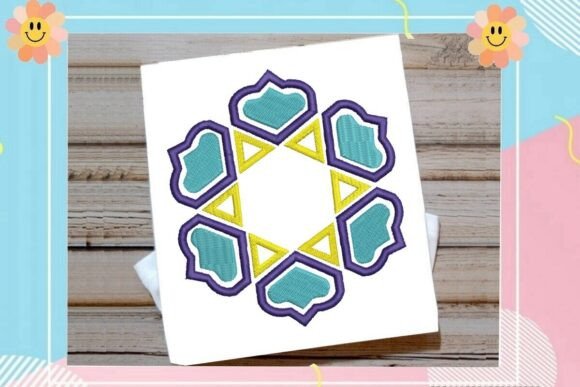
Islamic Arabesque Frame: A Designer’s Merch Review
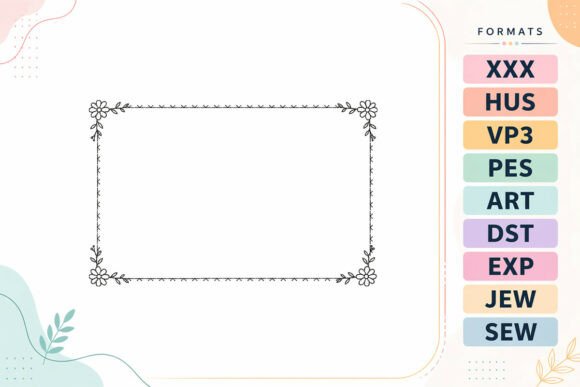
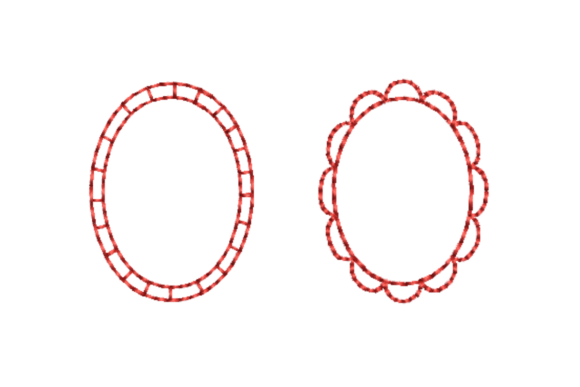
As a professional embroidery designer specializing in commercial branding and small business merchandise, I approach every new digitized asset with a critical eye. When evaluating the Islamic Arabesque Frame for potential use in branded products, my primary concern is not just aesthetic beauty, but functional versatility. This machine embroidery design offers an open center configuration that immediately signals its utility as a framing device rather than a standalone graphic. For shop owners, Etsy sellers, and apparel decorators, this distinction is vital. It transforms the file from a simple decorative element into a foundational component of brand identity.
My first impression of this design is one of timeless elegance mixed with structural integrity. Unlike dense mandala fills that can distort lightweight fabrics, this frame prioritizes negative space. The aesthetic feels premium and boutique-ready, avoiding the overly rustic or playful vibes that might alienate high-end clients. It strikes a balance between cultural artistry and modern commercial application, making it suitable for diverse sectors ranging from artisanal bakeries to creative studios. However, as with any digital embroidery file, success depends entirely on how well you understand its technical behavior across different substrates.
Elevating Brand Identity Through Structured Elegance
In the realm of small business merch, consistency is currency. The Islamic Arabesque Frame serves as a visual anchor that unifies disparate product lines. When I review this design for a client, I see immediate potential for creating a cohesive ecosystem of branded goods. Because the center is open, it allows for dynamic customization without requiring multiple distinct files. You can insert a bakery’s logo, a florist’s initial, or a pet brand’s icon while maintaining a consistent outer boundary.
This adaptability directly impacts customer trust and perceived value. A uniform visual language across your custom apparel and packaging suggests professionalism. For handmade brands, this frame adds a layer of sophistication that elevates the perceived worth of the finished product. It moves beyond generic clip-art aesthetics, offering a bespoke feel that resonates with buyers looking for quality craftsmanship. Whether used on luxury tote bags or staff uniforms, the arabesque motif communicates attention to detail and respect for tradition, which translates subconsciously to trust in your business operations.
Real-World Applications for Commercial Embroidery
When integrating this design into a production workflow, versatility is key. Based on my testing and experience with similar ornamental frames, here is where the Islamic Arabesque Frame performs best in a commercial setting:
- Apron Embroidery: The open center is perfect for chest placement on bistro aprons. It frames a name or establishment date beautifully without adding excessive weight to the bib area.
- Tote Bag Design: Canvas totes provide a stable base for this frame. The intricate lines pop against natural cotton, creating a high-contrast, boutique-style carryall ideal for retail packaging or event swag.
- Staff Uniforms: For service-based businesses like spas or cafes, this frame works exceptionally well as a sleeve accent or pocket detail. It adds a touch of class to standard polo shirts without overwhelming the garment.
- Boutique Merchandise: Use the frame to create limited-edition items. By simply changing the monogram inside, you can produce seasonal variations using the same base embroidery file.
- Product Packaging Accents: Beyond apparel, consider embroidering this onto linen pouches or fabric tags attached to physical products. It reinforces the unboxing experience.
Technical Considerations and Production Cautions
While the Islamic Arabesque Frame is visually stunning, it demands respect during the digitizing and hooping process. As an experienced designer, I must highlight specific areas where caution is required to avoid production failures. Ornamental frames often feature varying stitch angles and density gradients that can cause puckering if not managed correctly.
Cap Embroidery Challenges: Curved surfaces are the enemy of precise geometric frames. If you intend to use this on caps, verify the height of the design against your cap frame’s sewing field. The intricate corners may require reduced speed or specialized backing to prevent registration shifts. Always run a test sew on a scrap cap before committing to bulk production.
Fabric Texture and Stabilizer: The fine lines typical of arabesque art can get lost on textured fabrics like terry cloth or heavy denim. Conversely, on sheer fabrics, the stitch density might be too aggressive, causing tearing. You must match your stabilizer choice to both the design complexity and the garment weight. For lightweight knits, a cut-away stabilizer is non-negotiable to maintain the frame's shape after washing. For woven goods, a tear-away may suffice, but always check edge definition.
Small Patch Sizes: Scaling down is risky. If you plan to use this as an embroidered patch under three inches, inspect the minimum text height and line spacing. Details that look crisp at 5 inches may turn into thread blobs at 2 inches. Ensure your digitizer has accounted for pull compensation at smaller scales.
Designer Notes for Successful Implementation
To maximize the ROI of this design asset, follow these practical steps before launching your merchandise line:
- Verify Licensing: Before selling any item featuring this design, confirm the commercial licensing terms included with your purchase. Not all files allow for unlimited merchandise sales.
- Test in Black and White: Run a sample using black thread on white fabric (or vice versa). This removes color distraction and reveals true registration issues, tension problems, or density gaps.
- Check Hoop Size Compatibility: Do not assume the design fits your machine’s largest hoop. Measure the actual sewable area and compare it to the file dimensions. Leaving adequate margin for hoop burn and alignment marks is essential.
- Create a Printable Mockup: Before stitching, overlay the design onto photos of your actual products. This helps visualize scale and placement relative to seams, pockets, and zippers. Share this printable mockup with clients for approval to avoid costly re-dos.
- Audit Thread Colors: Arabesque designs often rely on tonal shading. Test your specific brand’s thread colors against the intended fabric. What looks elegant in software might appear muddy in real life if contrast is insufficient.
- Wash Testing: If this is for workwear or frequent-use items, wash and dry the test sample three times. Check for thread shrinkage, stabilizer residue, or distortion of the circular geometry.
Final Verdict for Business Owners
The Islamic Arabesque Frame is more than just a pretty border; it is a strategic tool for visual branding. Its open-center architecture makes it uniquely suited for businesses that need flexibility across various SKUs. Whether you are designing apron embroidery for a coffee shop or creating signature tote bags for an Etsy store, this design provides a professional container for your unique identity.
However, treat it as a technical component of your commercial embroidery workflow. Success lies in proper stabilization, realistic sizing, and thorough testing. When executed correctly, this frame bridges the gap between traditional artistry and modern merchandising, helping your small business stand out in a crowded marketplace. Always review the specific file attributes provided by the digitizer, and never skip the test sew. Your brand’s reputation is stitched into every detail.